Showing posts with label food. Show all posts

Thursday, September 18, 2014

Facts Of Cucumbers That Will Amaze You !

Cucumbers are very easy to grow and make for a delicious treat. But did you know they can prevent hangovers, or clean the kitchen sink? Below is a list of tips and tricks you can do with cucumbers that you do not want to miss!

Cucumber Nutrition Facts and Health Benefits

Cucumbers contain most of the vitamins you need every day. Just one cucumber contains vitamin B1, vitamin B2, vitamin B3, vitamin B5, vitamin B6, folic acid, vitamin C, calcium, iron, magnesium, phosphorus, potassium, and zinc.
This article also highlights some of the other health benefits of the familiar cucumber -- for example, did you know it is also extremely low in calories? 
FIND OUT MORE AT: learni.st ! 

Thursday, September 4, 2014

Hydrated Brain: Yes, your brain needs water.

Our brains depend on proper hydration to function optimally. Brain cells require a delicate balance between water and various elements to operate, and when you lose too much water, that balance is disrupted. Your brain cells lose efficiency.


The brain is one of the most important organs in your body to keep fueled. It is approximately 85 percent water and brain function depends on having abundant access to water.

Water gives the brain the electrical energy for all brain functions, including thought and memory processes.


Water is also needed for the brain's production of hormones and neurotransmitters. Nerve transmission requires one-half of all the brain’s energy.

One of the most fascinating aspects of neurons is that they store water in tiny balloon-like structures called vacuoles.  Water is essential for optimal brain health and function.  Water is necessary to maintain the tone of membranes for normal neurotransmission. It enhances circulation and aids in removing wastes. Water keeps the brain from overheating, which can cause cognitive decline and even damage.  This is one of the main reasons to encourage students to drink water during exercise. Dehydration most commonly occurs because children go long periods of time without drinking water.  When they are thirsty they often choose sweetened drinks instead of water.  By the time thirst is felt, there may be a loss of body weight up to 2% from water loss, and a 10% cognitive decline may be present. Dehydration can lead to fatigue, dizziness, poor concentration and reduced cognitive abilities.  Even mild levels of dehydration can impact school performance. 


Children in classrooms can be given structured water breaks or encouragement to keep a water bottle at their desks to sip throughout the day to achieve the recommended intake of 8 glasses a day, with 4 consumed during the school day.

Stay hydrated and try drinking water, at least your 8 oz. You can try getting a reusable bottle, maybe an Infuser Water Bottle and take your water everywhere you go. 

Live healthy, drink healthy.


   Visit our website: Hi-drate H2O !
Like us on Facebook: Hi-drate H2O


  Follow us on Twitter: @HIDRATEH2O


Monday, July 28, 2014

8 Reasons Why You Should Drink Cucumber Water


1. It’s good for your muscles: Cucumbers contain silica, a trace mineral necessary to keep connective tissue healthy. Add a few slices to your infuser water bottle.
2. It’s good for your skin: The silica and antioxidants help your skin stay clear and supple. I read that you can remove the soaked cucumbers from cold cucumber water and use them to reduce acne redness.
3. It’s low calorie: An entire cucumber averages about 45 calories so a few slices in your water is not adding very many additional calories
4. You may drink more water: We like things that taste good. Better tasting water just may prompt you to drink more of it. Cucumber water worked for me.
5. It’s detoxifying: Use it as an integral part of your juice cleanse.
6. It’s inexpensive: Cucumbers are the 4th most widely cultivated vegetable in the world. Organics cost a bit more, however, relative to other organic fruits and vegetables, they are less expensive.
7. Guests love it: Add some extra wow to your table by adding a pitcher of cucumber water. Most people don’t take the trouble to make it at home, so they appreciate it so much more when served fancy water elsewhere.
8. Making it is easy: It takes just a few minutes to fill a pitcher (or glass) of water and slice a few cucumbers into it.


   Visit our website: Hi-drate H2O !
Like us on Facebook: Hi-drate H2O

                                          Follow us on Twitter: @HIDRATEH2O


Source from: http://lajollamom.com/

Friday, July 25, 2014

Mango – Mint – Lime

Great for your hair that keeps hair moisturized. Vitamin A is also necessary for the growth of all bodily tissues, including skin and hair.        


                                                   INGREDIENTS:
mangominlemon
  • Mango, sliced
  • Lime, sliced
  • Mint, scrunched
  • Water Ice


Tuesday, July 15, 2014

6 Nutrition Myths You Should Know ..


1.  Granola is good for you


Oats are good for you, and the same goes for oatmeal. But granola takes those good-for-you hunks of flattened oat, blankets them in sugar, and bakes them in oil to give them crunch.


2.  Foods labeled “natural” are healthier


Case in point: 7UP boasts that it’s made with “100% Natural Flavors” when, in fact, the soda is sweetened with a decidedly un-natural dose of high fructose corn syrup. “Corn” is natural, but “high fructose corn syrup” is produced using a centrifuge and a series of chemical reactions. Other "natural" abusers include Natural Cheetos, which are made with maltodextrin and disodium phosphate, and “natural advantage” Post Raisin Bran, which bathes its raisins in both sugar and corn syrup. The worst part is, you're likely paying a premium price for common junk food.

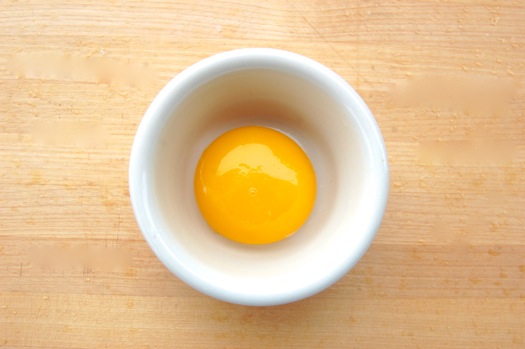
3.  Egg yolks raise your cholesterol


Egg yolks contain dietary cholesterol; this much is true. But research has proven that dietary cholesterol has almost nothing to do with serum cholesterol, the stuff in your blood. Wake Forest University researchers reviewed more than 30 egg studies and found no link between egg consumption and heart disease

4.  Chocolate is bad for you


Cocoa is a plant-based food replete with flavonoids that increase blood flow and release feel-good endorphins. Plus, it contains a healthy kind of saturated fat called stearic acid, which research has shown can increase your good HDL cholesterol.  A bar with 60% cocoa is good, but the more cocoa it contains, the greater the health effects.  


5.  Organic is always better


Often, but not in every case. Organic produce is almost nutritionally identical to its conventional counterpart. The issue is pesticide exposure—pesticides have been linked to an increased risk of obesity in some studies. In general, fruits and vegetables with impermeable skins are safe to buy conventional, while produce like celery, peaches, apples, and blueberries are better purchased organic.

6.  Meat is bad for you


Pork, beef, and lamb are among the world’s best sources of complete protein, and a Danish study found that dieting with 25 percent of calories from protein can help you lose twice as much weight as dieting with 12 percent protein.


Visit our website: Hi-drate H2O !


Like us on Facebook: Hi-drate H2O


Follow us on Twitter: @HIDRATEH2O


- MaritzaValdez


Friday, July 11, 2014

"You are what you eat ". You'll start taking it serious ...


You are what you eat, literally.


"What you eat is what you are putting in you body, the saying "You are what you eat" is literally true."
Lisa OzHealth Education


Every one of your cells is replaced in about seven years, and your food is what those new cells are made from. So take a good look at what you have got on your plate. It is about to be a part of you. If you want your body to perform at a peak level, make sure you are giving it good quality material to work with.

How do you feel after you eat? Do you feel strong, comfortable, invigorated, or do you feel bloated, stuffed, queasy, or nauseated? When you wake up in the morning, are you bright, alert, and ready to greet the day, or do you feel sluggish, exhausted, or congested? Answer these questions honestly, and be aware of the ways in which your body is trying to communicate with you about your food choices. If it is not totally happy, change what you are doing.