Showing posts with label you. Show all posts

Wednesday, August 20, 2014

What’s the Difference Between Tisane and Tea?

A tisane (or ptisan) is any herbal infusion other than from the leaves of the tea bush (Camellia sinensis). The English word “tisane” originated from the Greek word πτισάνη (ptisanē), a drink made from pearl barley.


Tisanes are made with fresh or dried flowers, leaves, stems, seeds or roots, generally by pouring hot (not boiling water) over the plant parts and letting them steep for about 10 minutes. Tough stems, seeds and roots must be boiled on a stove after being mashed. The tisane is then strained, sweetened if so desired, and served.
Some products labeled as “herbal teas” are true tisanes and some are not. Some “herbal teas” do not contain leaves from the tea bush and are therefore true tisanes. Why they are called “herbal teas” when they contain no tea I couldn’t say and is misleading. The only commonality tisanes and teas share is their preparation for drinking and this could be where the cross-over occurred. Other mixtures labeled as “herbal teas” do contain leaves from the tea bush and have been combined with herbal plant materials, hence the addition of “herbal” before the word “tea,” so be sure to check the ingredients. Real tea contains caffeine and if you are limiting your caffeine intake, knowing whether you are consuming a tisane or tea is important.
Many blends of real tea are prepared by adding other plants to an actual tea (black, oolong, green, or white tea); for example, the popular Earl Grey tea is black tea with bergamot added, Jasmine tea is Chinese tea with Jasmine included, and Genmaicha is green tea combined with roasted rice. Such preparations are varieties of tea, not tisanes.


Try making a Tisane in you Infuser Water Bottle.


   Visit our website: Hi-drate H2O !
Like us on Facebook: Hi-drate H2O


  Follow us on Twitter: @HIDRATEH2O

Monday, August 11, 2014

Health Benefits of Yerba Mate Tea


 South American beverage made by steeping the ground leaves and stems of the yerba mate plant. Yerba mate is a central nervous system stimulant containing caffeine, but it also contains a number of other nutrients, including antioxidants, amino acids, polyphenols, vitamins and minerals.


Yerba mate tea is very high in antioxidants; it's got about 90% more antioxidants than green tea. Yerba mate has significant immune boosting properties. Proponents of yerba mate tea say that the minerals, vitamins, antioxidants, animo acids and polphenols found in this beverage have a balancing effect on the caffeine it contains. Users report increased mental energy, clarity and focus, but they also say that yerba mate doesn't cause any of the uncomfortable side effects associated with drinking caffeinated beverages, such as headaches, stomachaches and jitters, ids digestion by stimulating increased production of bile and other gastric acids. Yerba mate helps keep your colon clean for effective and efficient waste elimination, and helps reduce the stomach bacteria that can contribute to bad breath. The antioxidants and amino acids present in yerba mate help fat and cholesterol move through your bloodstream so that they don't accumulate on artery walls. Yerba mate also helps prevent arteriosclerosis (hardening of the arteries) and prevents blood clots that may cause heart attack or stroke.


Find out how to prepare this tea at: 

Thursday, August 7, 2014

Foods That Are More Nutritious Raw

Raw Nuts Protect the Heart


Raw nuts have healthy fats that are essential to the body. Raw nuts can help lower the LDL (low-density lipoprotein), or "bad," cholesterol level in the blood.

Raw Broccoli Fights Cancer

Eating raw broccoli, and the chewing process involved, helps to rupture the special compound that is located in the plant's cell walls, an enzyme called myrosinase, that revs up your liver's ability to detoxify carcinogens.

Raw Juice Retains Vitamins


What could be better for you than fruit or vegetable juice from the store? Raw fruit and vegetable juice! When you buy juice, it is always pasteurized. Pasteurization not only kills bacteria and preserves the juice, it also destroys many (if not most) of the vitamins, minerals and enzymes, along with their health-promoting properties. 

Raw Cacao Is Brain Food


Raw cacao (chocolate) contains a wealth of nutrients: essential vitamins and minerals that boost the body's neurotransmitters, and phyto-chemicals that activate the mood-elevating emotion of "euphoria."

Raw Chia Seeds Are Nutrient-Dense

Four tablespoons of chia seeds supply as much calcium as three cups of milk, as much magnesium as 10 stalks of broccoli, as much iron as one-half cup of red kidney beans, 30% more antioxidants than blueberries, 25% more dietary fiber than flaxseed and approximately the same amount of omega-3 as a 32-ounce fillet of salmon. Instead of a typical hot breakfast cereal, try a chia breakfast pudding for a more nutritious start to your day!

Monday, August 4, 2014

Summer Spices and Herbs for Cleansing, Bloating and Digestion.

Mint

Mint is one of the ultimate summer herbs because of the cooling and cleansing feeling it gives.


Cumin
This spice aids in detoxification, remedying gas and bloating, to help keep you svelte during the summer months.

Saffron
Not only is saffron a beautiful flower, but as a spice, it has tons of health benefits. This spice aids in digestion by improving circulation to your digestive organs, while also coating the stomach and colon to help relieve gas and acidity.

Tuesday, July 15, 2014

6 Nutrition Myths You Should Know ..


1.  Granola is good for you


Oats are good for you, and the same goes for oatmeal. But granola takes those good-for-you hunks of flattened oat, blankets them in sugar, and bakes them in oil to give them crunch.


2.  Foods labeled “natural” are healthier


Case in point: 7UP boasts that it’s made with “100% Natural Flavors” when, in fact, the soda is sweetened with a decidedly un-natural dose of high fructose corn syrup. “Corn” is natural, but “high fructose corn syrup” is produced using a centrifuge and a series of chemical reactions. Other "natural" abusers include Natural Cheetos, which are made with maltodextrin and disodium phosphate, and “natural advantage” Post Raisin Bran, which bathes its raisins in both sugar and corn syrup. The worst part is, you're likely paying a premium price for common junk food.

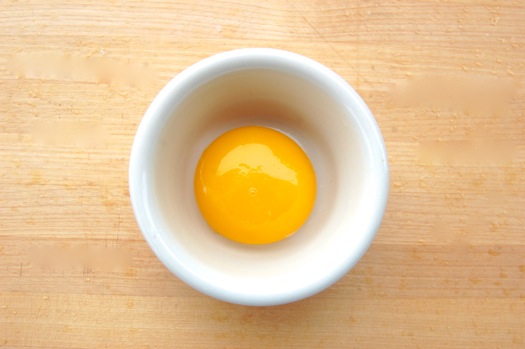
3.  Egg yolks raise your cholesterol


Egg yolks contain dietary cholesterol; this much is true. But research has proven that dietary cholesterol has almost nothing to do with serum cholesterol, the stuff in your blood. Wake Forest University researchers reviewed more than 30 egg studies and found no link between egg consumption and heart disease

4.  Chocolate is bad for you


Cocoa is a plant-based food replete with flavonoids that increase blood flow and release feel-good endorphins. Plus, it contains a healthy kind of saturated fat called stearic acid, which research has shown can increase your good HDL cholesterol.  A bar with 60% cocoa is good, but the more cocoa it contains, the greater the health effects.  


5.  Organic is always better


Often, but not in every case. Organic produce is almost nutritionally identical to its conventional counterpart. The issue is pesticide exposure—pesticides have been linked to an increased risk of obesity in some studies. In general, fruits and vegetables with impermeable skins are safe to buy conventional, while produce like celery, peaches, apples, and blueberries are better purchased organic.

6.  Meat is bad for you


Pork, beef, and lamb are among the world’s best sources of complete protein, and a Danish study found that dieting with 25 percent of calories from protein can help you lose twice as much weight as dieting with 12 percent protein.


Visit our website: Hi-drate H2O !


Like us on Facebook: Hi-drate H2O


Follow us on Twitter: @HIDRATEH2O


- MaritzaValdez