Showing posts with label toxicity. Show all posts

Friday, August 22, 2014

Learn More About Water Therapy ...

For old and serious diseases as well as modern illnesses, the water therapy had been found helpful by a Japanese medical society for cure for the diseases like Headache,Body Ache,Heart problems,Arthritis,Epilepsy,Excess Weight,Bronchitis,Asthma,,Meningitis,Kidney and Urinary diseases,Vomiting,gastritis,Diarrhea,Piles,Diabetes,Constipation,Eye Diseases and Menstrual Disorders.

Water Therapy – Method of Treatment
———————————————
1. As you wake up in the morning before brushing teeth, drink 4-6 glasses of water each of 160 ml.
2. Brush and clean the mouth but do not eat or drink anything for 45 minutes.
3. After 45 minutes you may eat and drink as normal.
4. Upto 15 minutes after breakfast, lunch and dinner do not eat or drink anything.
5. Those who are old or sick and are unable to drink four glasses of water at the beginning may commence by taking little water and gradually increase it to four glasses per day.
6. The above method of treatment will cure diseases of the sick and others can enjoy a healthy life.


Wednesday, August 20, 2014

What’s the Difference Between Tisane and Tea?

A tisane (or ptisan) is any herbal infusion other than from the leaves of the tea bush (Camellia sinensis). The English word “tisane” originated from the Greek word πτισάνη (ptisanē), a drink made from pearl barley.


Tisanes are made with fresh or dried flowers, leaves, stems, seeds or roots, generally by pouring hot (not boiling water) over the plant parts and letting them steep for about 10 minutes. Tough stems, seeds and roots must be boiled on a stove after being mashed. The tisane is then strained, sweetened if so desired, and served.
Some products labeled as “herbal teas” are true tisanes and some are not. Some “herbal teas” do not contain leaves from the tea bush and are therefore true tisanes. Why they are called “herbal teas” when they contain no tea I couldn’t say and is misleading. The only commonality tisanes and teas share is their preparation for drinking and this could be where the cross-over occurred. Other mixtures labeled as “herbal teas” do contain leaves from the tea bush and have been combined with herbal plant materials, hence the addition of “herbal” before the word “tea,” so be sure to check the ingredients. Real tea contains caffeine and if you are limiting your caffeine intake, knowing whether you are consuming a tisane or tea is important.
Many blends of real tea are prepared by adding other plants to an actual tea (black, oolong, green, or white tea); for example, the popular Earl Grey tea is black tea with bergamot added, Jasmine tea is Chinese tea with Jasmine included, and Genmaicha is green tea combined with roasted rice. Such preparations are varieties of tea, not tisanes.


Try making a Tisane in you Infuser Water Bottle.


   Visit our website: Hi-drate H2O !
Like us on Facebook: Hi-drate H2O


  Follow us on Twitter: @HIDRATEH2O

Friday, August 15, 2014

Make Your Own Detox Drink

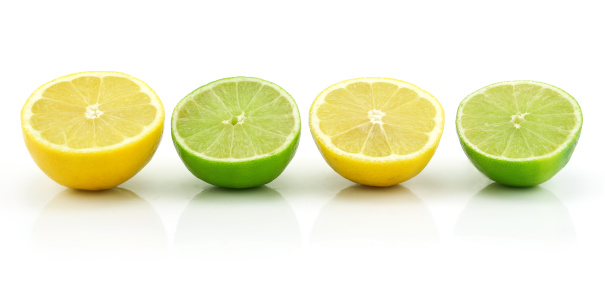
Watermelon/cucumber, lemon/lime, mint leaves, and water.


Watermelon (or cucumber): Watermelon helps the body flush out toxins because it contains the organic compound citrulline, which is an amino acid that has been shown to help the liver and kidneys filter and get rid of ammonia. 


Water: H2O is just plain good for us, but it’s thought that it helps flush nasty toxins and waste through our system, giving organs like the liver and kidney an easier time doing their job.


Lemon (or lime): Lemon or lime juice helps stimulate and regulate the digestive track (which is why it’s so helpful with constipation, heartburn and gas), stimulates bile production, and thins out bile, which allows it to flow more freely. 


Mint leaves: Mint leaves are a nice refreshing flavor to add to your drink. On top of that, it can help you digest more effectively, improving the flow of bile from the liver, to the gallbladder, to the small intestine, where it breaks down dietary fats. Mint also helps relax cramped up stomach muscles.


   Visit our website: Hi-drate H2O !
Like us on Facebook: Hi-drate H2O


  Follow us on Twitter: @HIDRATEH2O


Thursday, August 14, 2014

Brain foods that will improve your focus and concentration ...

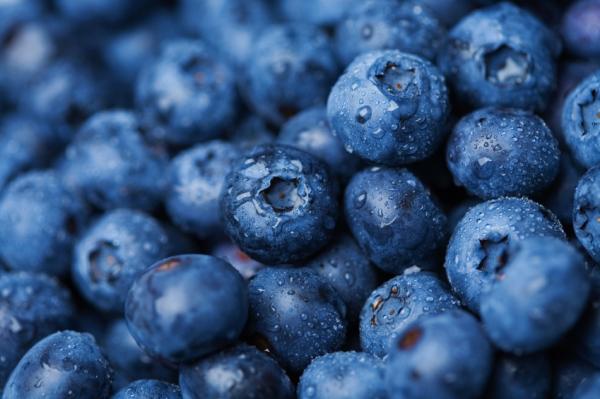
Blueberries

Studies show that blueberries boost “concentration and memory” for up to five hours because “the antioxidants in blueberries stimulate the flow of blood and oxygen to [your] brain – and keep the mind fresh”.

Green tea

Green tea helps you focus for two reasons: one, it contains caffeine, and two, it contains l’theanine. There is no doubt that caffeine helps you focus and improves your alertness. 

Avocados

According to WebMD, “every organ in the body depends on blood flow, especially the heart and brain”, and avocados “[enhance] blood flow, offering a simple, tasty way to fire up brain cells”.

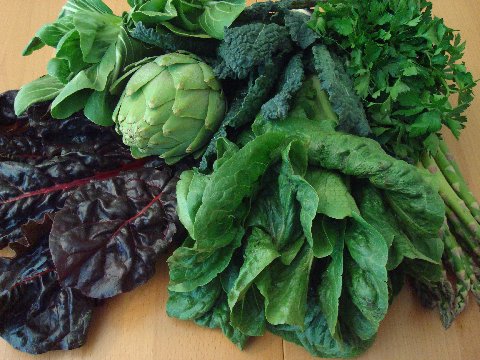
Leafy green vegetables

Leafy green vegetables are full of antioxidants and carotenoids, which boost your brain power, and help protect your brain.

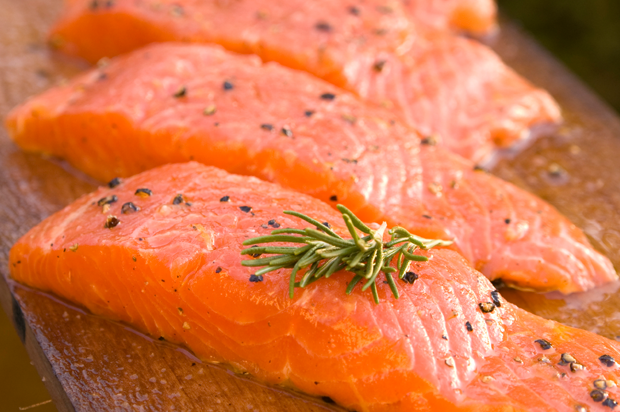
Fatty fish

Fatty/oily fish contains omega-3 fatty acids which “aid memory, mental performance and behavioral function”. People who are deficient in omega-3′s are more likely to have “poor memory, mood swings, depression and fatigue”.

Water

If you want to improve your focus, you need to drink enough water. Water “gives the brain the electrical energy for all brain functions, including thought and memory processes”, and it has been proven to help you “think faster, be more focused, and experience greater clarity and creativity”.


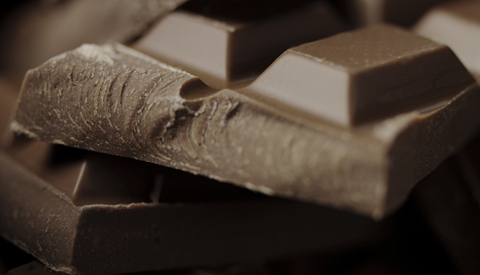
Dark chocolate

Dark chocolate (dark chocolate, not the sugary, milky kind) can help you focus for a number of reasons. First, it contains a small amount of caffeine, which has been proven to heighten mental alertness.

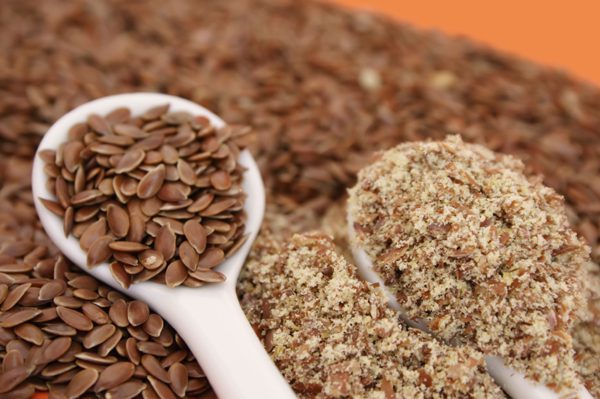
Flax seeds

Like a few of the foods listed already, flax seeds are high in magnesium, B-vitamins, omega-3 fatty acids, and fiber, all of which aid with mental clarity, weight loss, and ultimately, focus.

Nuts

Nuts are great for your body in the long-term. “Nuts and seeds are good sources of the antioxidant vitamin E, which is associated with less cognitive decline as you age”, and you just need an ounce of them a day to get this benefit.


   Visit our website: Hi-drate H2O !
Like us on Facebook: Hi-drate H2O


  Follow us on Twitter: @HIDRATEH2O


Friday, August 8, 2014

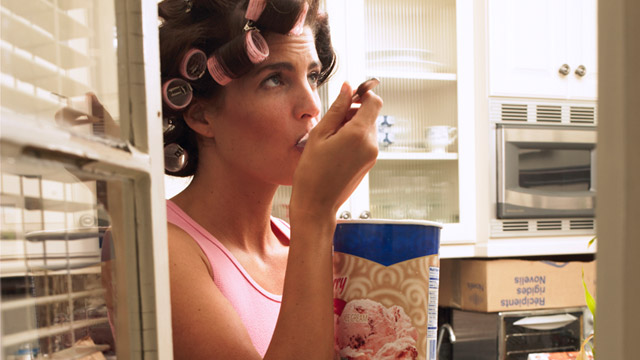
Ways To Stop Overeating


1
Steer clear of fad diets that promise rapid weight loss in a short period of time. In general, losing weight too quickly is not safe. Although it is possible to lose up to 10 pounds per week for the first two weeks of dieting, this is usually a result of water loss and not a true indication of weight loss. The recommended amount of weight to safely lose is 1 to 2 pounds per week.


2
Refrain from participating in diets that require you to banish foods completely from your diet (such as Atkins or the Cookie Diet), or severely restrict the amount of calories that you can consume in a day.


Refrain from emotional eating. If you find that you are eating food when you are depressed, lonely, angry or after a hard day at work, you are eating for the wrong reasons.


Eat only when you are hungry. If you are eating out of habit and not because of hunger, you are feeding your habits rather than feeding your body what it needs.


Stop eating when you feel full. Most people just instinctively eat what is in front of them, regardless of whether or not they are still hungry.


.

Monday, August 4, 2014

FRUIT ICE CUBES


Add a dash of excitement to water, iced tea — even cocktails — with these colorful ice cubes filled with fruit, herbs, and edible flowers. Watch the video to see how it's done and for ample ideas, and then bust out the ice cube trays to cool down in style!


Dr. Oz: No Excuse: Couch Potato Workout.

Think getting in shape is impossible? 
Think again! Dr. Oz’s personal trainer, Donovan Green, designed this beginner’s workout that you can do from the comfort of your own couch. Stop making excuses and get moving today!


Friday, August 1, 2014

What are electrolytes?

An electrolyte is any substance that contains free ions that behaves as an electrically conductive medium (conducts electricity). All higher forms of life cannot exist without electrolytes, and that includes humans.


In our bodies, electrolytes include sodium (Na+), potassium (K+), calcium (Ca2+), bicarbonate (HCO3-, magnesium (Mg2+), chloride (C1-), hydrogen phosphate (HPO42-), and hydrogen carbonate (HCO3-). 
Electrolytes regulate our nerve and muscle function, our body's hydration, blood pH, blood pressure, and the rebuilding of damaged tissue. Various mechanisms exist in our body that keep the concentrations of different electrolytes under strict control.
Electrolyte levels are kept constant by our kidneys and several hormones - even when our bodies trigger changes. When we exercise we sweat and lose electrolytes, mainly sodium and potassium.


Source from: http://www.medicalnewstoday.com/

Wednesday, July 30, 2014

11 Reasons Why Dehydration Is Making You Fat ...


Fatigue
 
Water is the most vital sources of energy in the body. dehydration causes the enzymatic activity in the body to slow down, resulting in tiredness and fatigue.

Asthma and Allergies


When dehydrated, your body will restrict airways as a means to conserve water. In fact, the rate of histamine produced by the body increases exponentially as the body loses more water.

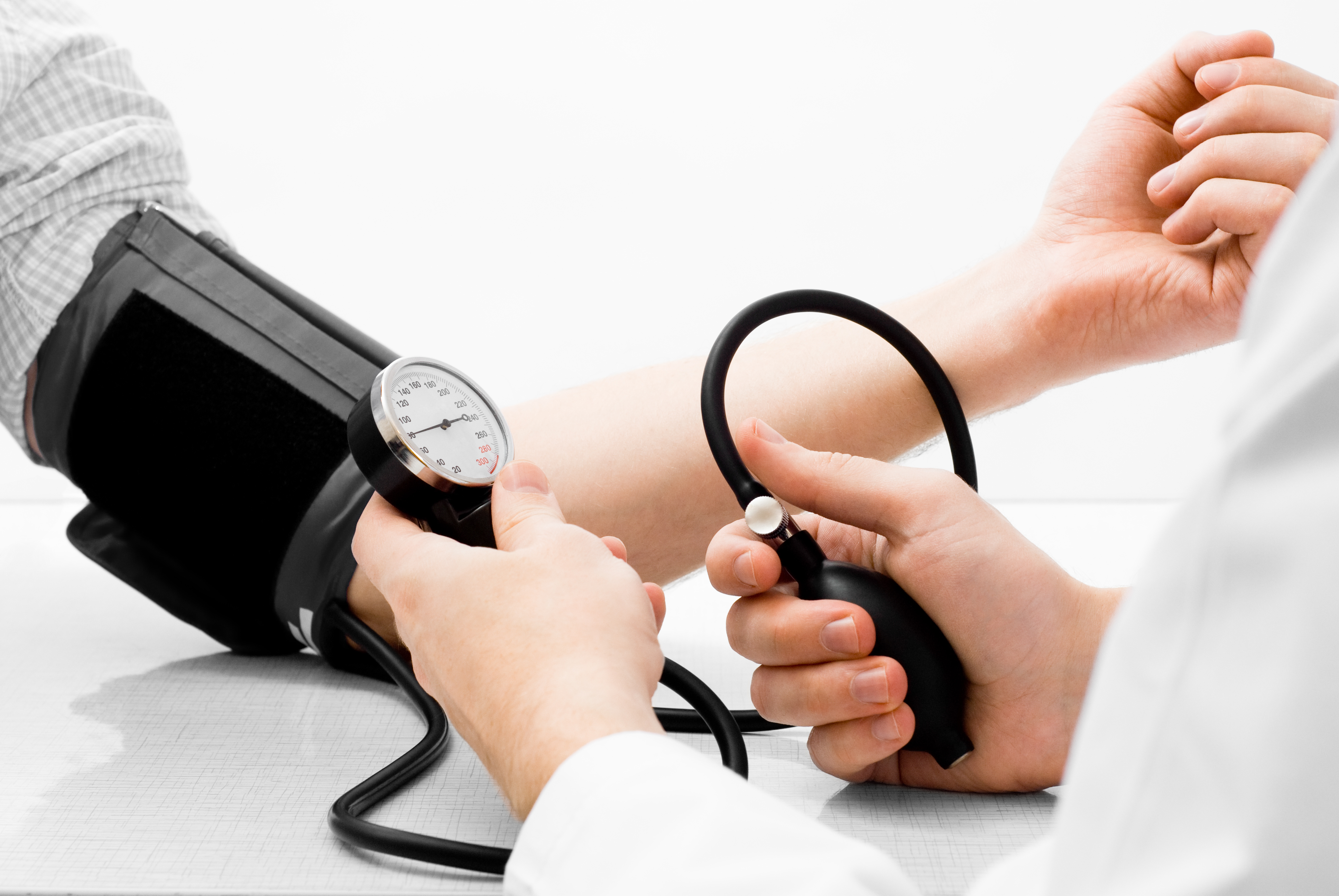
High Blood Pressure

The blood is normally about 92% water when the body is fully hydrated. When dehydrated, the blood becomes thicker causing resistance to blood flow, which results in elevated blood pressure.

High Cholesterol

When the body is dehydrated, it will produce more cholesterol to prevent water loss from the cells.

Skin disorders

Dehydration impairs the elimination of toxins through the skin and makes it more vulnerable to all types of skin disorders, including dermatitis and psoriasis, as well as premature wrinkling and discoloration.

Digestive Disorders

A shortage of water and alkaline minerals, such as calcium and magnesium, can lead to a number of digestive disorders, including ulcers, gastritis and acid reflux

Bladder or Kidney Problems

With a dehydrated body, the accumulation of toxins and acid waste creates an environment where bacteria thrive, resulting in the bladder and kidney to be more prone to infection, inflammation and pain.

Constipation


When short of water, the colon is one of the primary regions the body draws water from in order to provide fluids for other critical body functions. Without adequate water, wastes move through the large intestines much more slowly or sometimes not at all, resulting in constipation.

Joint Pain or Stiffness

All joints have cartilage padding which is composed mainly of water. When the body is dehydrated, cartilage is weakened and joint repair is slow resulting in pain and discomfort.

Weight Gain

When dehydrated, cells are depleted of energy. As a result people tend to eat more when, in reality, the body is thirsty.

Premature Aging

When chronically dehydrated, the body's organs, including its largest organ, the skin, begins to wrinkle and wither prematurely.


   Visit our website: Hi-drate H2O !
Like us on Facebook: Hi-drate H2O

  Follow us on Twitter: @HIDRATEH2O