Showing posts with label cholesterol. Show all posts

Thursday, August 28, 2014

Simple Ways to Eat Healthy on a Budget ...

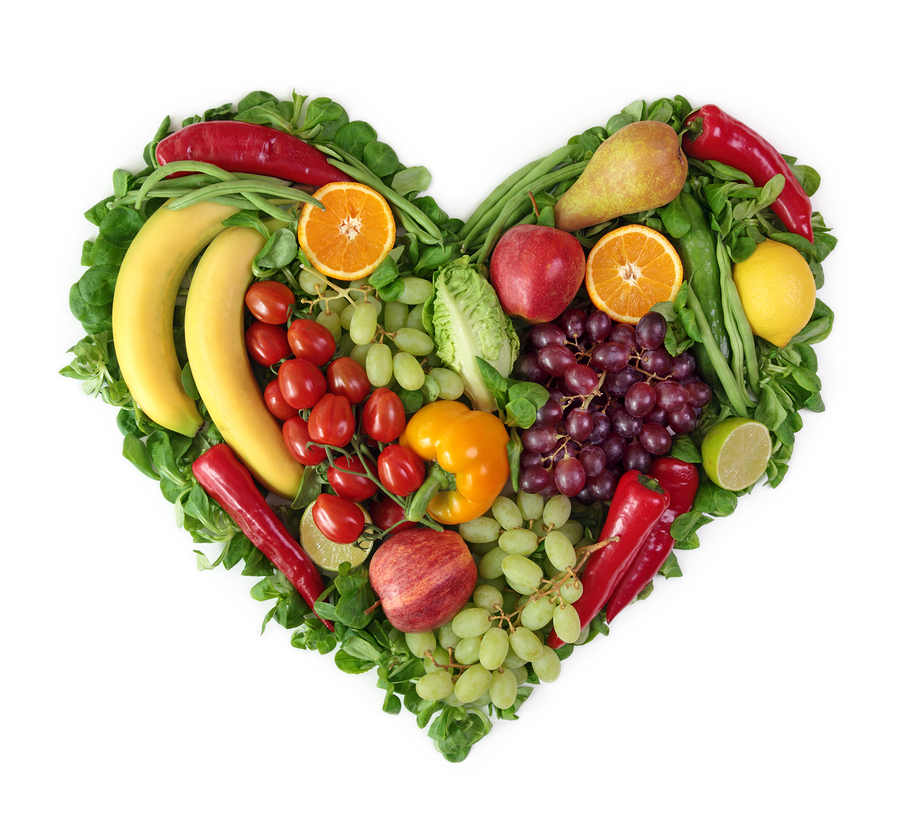
 Unfortunately, the rising food prices make it hard to eat healthy. Your paycheck is most likely not rising as fast. Worst case you’re student which makes it even harder. These 10 tips will help you eat healthy on a budget.


1. Buy Whole Foods. Unprocessed foods are cheaper and more nutritious than processed foods. They also give you total control over the ingredients. Avoid anything that comes from a box 90% of the time.


 2. Buy Cheap Proteins. You need 1g protein per pound of body-weight per day to build and maintain muscle. Eating whole protein with each meal also helps fat loss as protein has a higher thermic effect than other foods. Keep the steaks & salmon for special occasions. Buy eggs, milk, whey, mackerel, tuna, calves liver, frozen chicken breast, cottage cheese, …


3. Buy Generic Food. And store brands. Raw foods like rice, pasta, eggs, milk, cottage cheese, frozen fruits/veggies, … 


4. Buy Supplements. They’re cheap and make your life easier, however whole food is better. You can use supplements, but make sure the bulk of your diet consists of whole, unprocessed foods. 


5. Buy in Bulk. Especially when you have promos running. Foods like pasta, rice and oats are easy to stockpile. If they’re on sale, buy as much as you can afford & store to last you until the next sale. 


6. Buy In Season Fruits & Veggies. Food grown in season tastes better and is cheaper. Root vegetables in the Winter. Apples & squash in the Fall. Broccoli & berries in the Summer. To know the season of veggies and fruits check this article: Fruits & Veggies: When are they in season ?
Tuesday, August 26, 2014

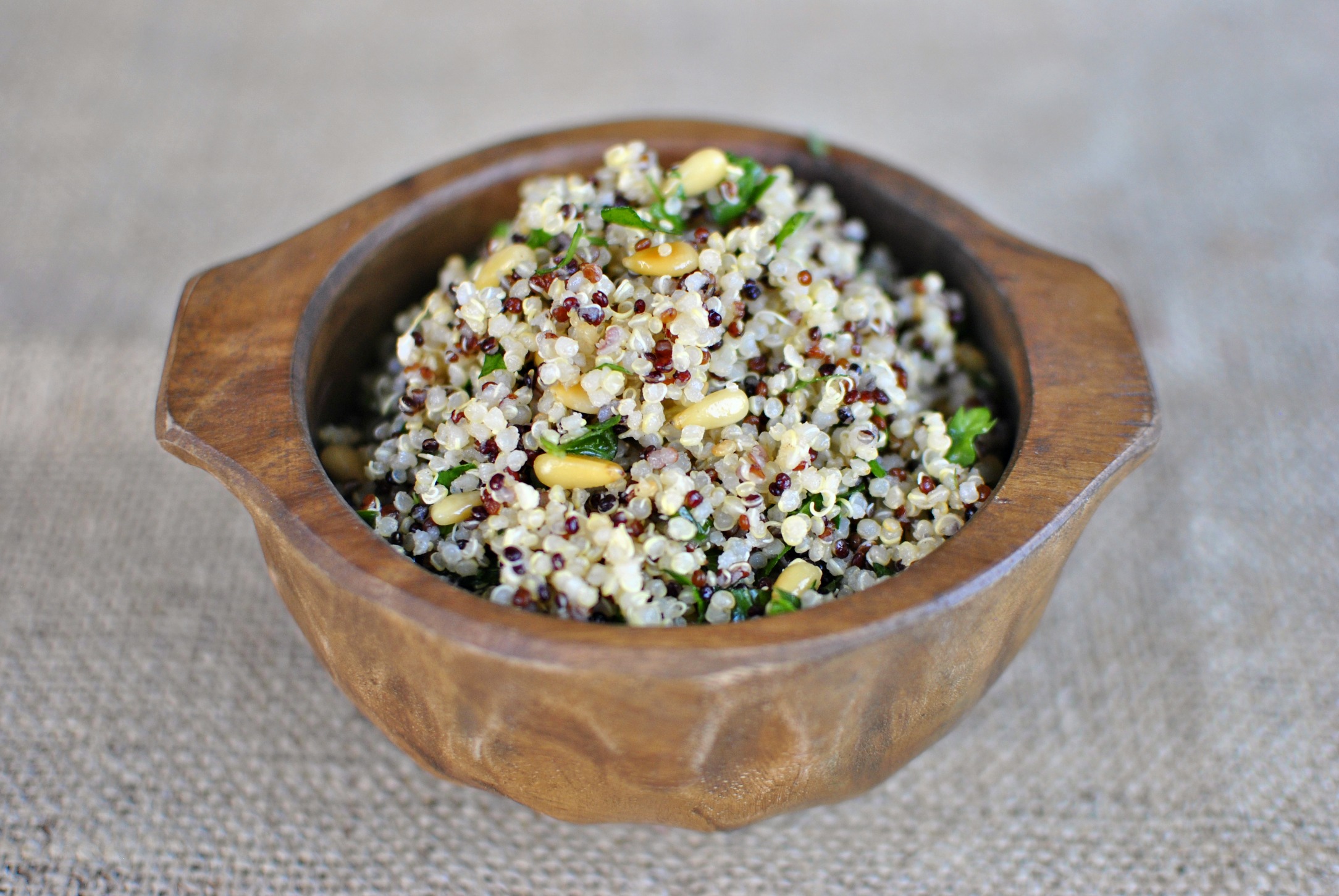
Benefits of Quinoa: The Supergrain of the Future !


A 100g serving of quinoa provides:
 368 calories14g protein   6g fat    64g carbohydrate7g fibre     


1. Quinoa is one of the most protein-rich foods we can eat. It is a complete protein containing all nine essential amino acids.

2. Quinoa contains almost twice as much fiber as most other grains. Fiber is most widely known to relieve constipation. It also helps to prevent heart disease by reducing high blood pressure and diabetes. Fiber lowers cholesterol and glucose levels, may lower your risk of developing hemorrhoids and may help you to lose weight as it takes a longer time to chew than does other foods because it makes you feel fuller for longer and is less “energy dense” which means it has fewer calories for the same volume of food.


3. Quinoa contains Iron. Iron helps keep our red blood cells healthy and is the basis of hemoglobin formation. Iron carries oxygen from one cell to another and supplies oxygen to our muscles to aid in their contraction. Iron also increases brain function because the brain takes in about 20% of our blood oxygen. There are many benefits of iron some more of which include neurotransmitter synthesis, regulation of body temperature, aids enzyme activity and energy metabolism.

4. Quinoa contains lysine. Lysine is mainly essential for tissue growth and repair.

Monday, August 4, 2014

Dr. Oz: No Excuse: Couch Potato Workout.

Think getting in shape is impossible? 
Think again! Dr. Oz’s personal trainer, Donovan Green, designed this beginner’s workout that you can do from the comfort of your own couch. Stop making excuses and get moving today!


Monday, July 28, 2014

Aloha Refeshing Water !


This Infused Water is going to refresh your day, making you feel like your drinking a bit of Hawaii.


INGREDIENTS:


  • Pineapple, sliced.
  • Orange, sliced and juiced.
  • Banana, sliced.
  • Water
  • Ice


Just add the ingredients to your Infuser Water Bottle, let it sit for 5 min, and enjoy ! 


   Visit our website: Hi-drate H2O !
Like us on Facebook: Hi-drate H2O

                                          Follow us on Twitter: @HIDRATEH2O


Monday, July 14, 2014

What are the health benefits of Green Tea ?


Green tea is made from the leaves from Camellia sinensis that have undergone minimal oxidation during processing. Green tea originated in China, but it has become associated with many cultures throughout Asia. Green tea has recently become relatively widespread in the West, where black tea has been the traditionally consumed tea. Green tea has become the raw material for extracts used in various beverages, health foods, dietary supplements, and cosmetic items.


Green tea is considered one of the world's healthiest drinks and contains one of the highest amount of antioxidants of any tea. The natural chemicals called polyphenols in tea are what are thought to provide its anti-inflammatory and anti-carcinogenic effects. 

One large-scale clinical study compared green tea drinkers with non-drinkers and found that those who drank the most tea were less likely to develop pancreatic cancer, particularly women, who were 50% less likely to develop the disease. Another study found that consuming 10 cups of green tea per day can lower total cholesterol, however, consuming 4 cups or less had no effect on cholesterol levels. Other studies have found that green tea is helpful in preventing dental cavities, stress, chronic fatigue, treating skin conditions and improving arthritis by reducing inflammation.


How to Take It
Pediatric:
Green tea has not been studied in children, so it is not recommended for pediatric use.
Adult:
Depending on the brand, 2 - 3 cups of green tea per day (for a total of 240 - 320 mg polyphenols) or 100 - 750 mg per day of standardized green tea extract is recommended. Caffeine-free products are available and recommended.


Try adding Green Tea to your Infused Water Bottle, just add Green Tea to Water and Ice.


Visit our website: Hi-drate H2O !


Like us on Facebook: Hi-drate H2O


Follow us on Twitter: @HIDRATEH2O